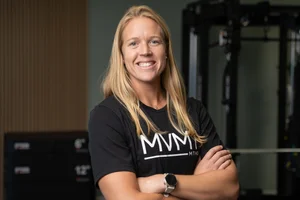
Living in South Florida makes it easy to stay active. You might run along the beach, paddleboard on the Intracoastal, ride your bike on A1A, or train at a CrossFit box several mornings a week. That lifestyle is rewarding, but it also asks a lot of your body.
When a nagging ache turns into an injury, or your progress stalls no matter how hard you train, it is frustrating. You may have been told to rest, or you may have tried to push through it on your own. Neither approach helps you understand why the problem started or how to keep it from returning.
This guide explains what to look for in physical therapy in Pompano Beach, FL. You will learn how performance-focused care works, which services and testing can help, which conditions and life stages it supports, and how The Movement Method, led by Dr. Casey Francis, DPT, approaches recovery and long-term athletic health.
What Is Performance Physical Therapy?
Performance physical therapy treats the injury in front of you and also asks what your body needs to do after you recover. The goal is not just to get you out of pain. The goal is to get you back to running, lifting, paddling, or playing at the level you want, with a plan to stay there.
Beyond Traditional Rehab
Traditional rehab often ends when your pain settles. Performance physical therapy keeps going until you can handle the full demands of your sport or lifestyle. That means building strength, control, and confidence, not only calming symptoms.
At The Movement Method, care is built around a science-driven approach that applies peer-reviewed research to every treatment and rehabilitation protocol. Your plan is shaped by your movement, your history, and your goals instead of a generic template. Dr. Francis also takes a proactive view of care, so small problems are addressed before they become sidelining injuries.
Who Benefits From Performance Physical Therapy?
You do not need to be a competitive athlete to benefit. Performance physical therapy is a strong fit if you are:
An active adult who runs, cycles, paddleboards, lifts, or trains in group fitness
Recovering from an injury or surgery and wanting a complete return to activity
Dealing with recurring pain that rest has not fixed
A youth athlete building a safe foundation for sport
An older adult focused on staying strong, mobile, and independent
Someone who wants to prevent injury before a season, race, or event
Which Physical Therapy Services Can You Expect?
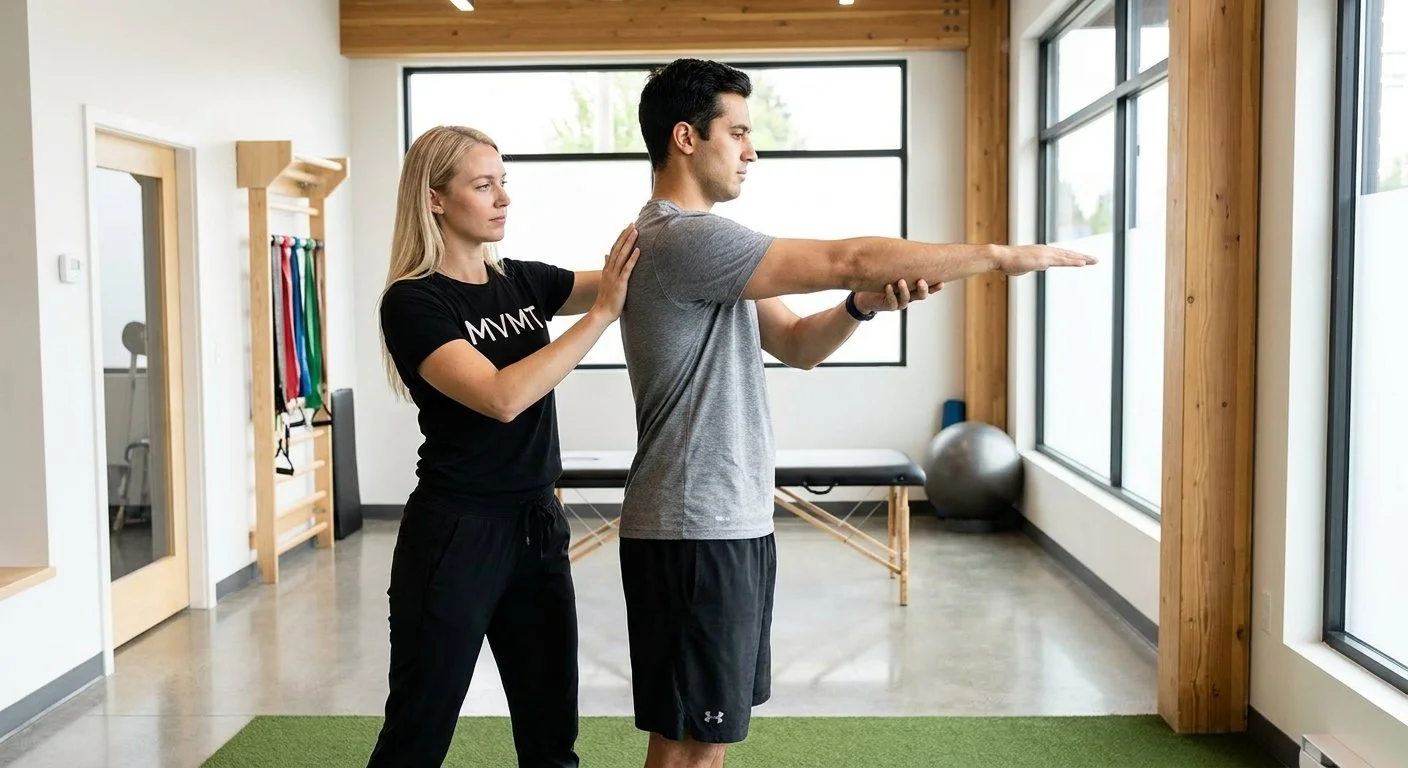
A complete plan often combines hands-on treatment, targeted modalities, and progressive exercise. The mix depends on what your assessment shows. Here is how the main services fit together.
Manual Therapy and Soft Tissue Treatments
Manual therapy uses skilled hands-on techniques to improve how your joints and tissues move. Depending on your needs, this can include joint mobilization, soft tissue mobilization, and myofascial release. These techniques reduce pain and make it easier to move through exercise.
Some treatments target specific areas of tension or restriction:
Dry needling uses thin needles to address painful, tight muscle areas and can reduce pain when combined with exercise
IASTM (Graston) uses specialized tools to work on soft tissue restrictions
Cupping is another soft tissue option used as part of a broader treatment plan
Shockwave Therapy for Stubborn Tendon Problems
Extracorporeal shockwave therapy (ESWT) delivers acoustic pressure waves to irritated tissue. Studies have examined it for persistent conditions such as plantar fasciitis and Achilles tendinopathy. It is typically used alongside a loading program, since strengthening the tissue remains the foundation of lasting recovery.
Strength, Mobility, and Movement Retraining
Exercise is where lasting change happens. Your program may include therapeutic exercise, mobility work, and strength and conditioning that progress as you improve. Neuromuscular re-education helps retrain how your muscles fire and coordinate, which matters when a movement pattern has changed after injury.
Blood flow restriction (BFR) training uses a cuff to partly limit blood flow to a working limb, allowing you to build strength with lighter loads. That is especially useful when heavier lifting is not yet appropriate, such as early in recovery after surgery.
When you are ready for higher demands, plyometrics and return-to-sport progressions prepare your body for jumping, cutting, sprinting, and impact.
Recovery Services
Recovery matters as much as training. Compression therapy (such as Normatec) and electrical stimulation (TENS and NMES) can support your recovery between sessions or help activate muscles that are difficult to engage after injury.
Pelvic Health Physical Therapy
Pelvic health physical therapy supports concerns such as pelvic pain, incontinence, painful intercourse, diastasis recti, prolapse, and endometriosis-related pain. Care can include internal pelvic floor techniques when appropriate, along with exercise and education. These concerns are common, and you do not have to manage them on your own.
You can see the full range of care on the services page.
How Does Testing Guide Your Treatment Plan?
Objective testing shows what is actually happening in your body so your plan targets the real problem instead of only the sore spot.
Movement Analysis That Finds the Root Cause
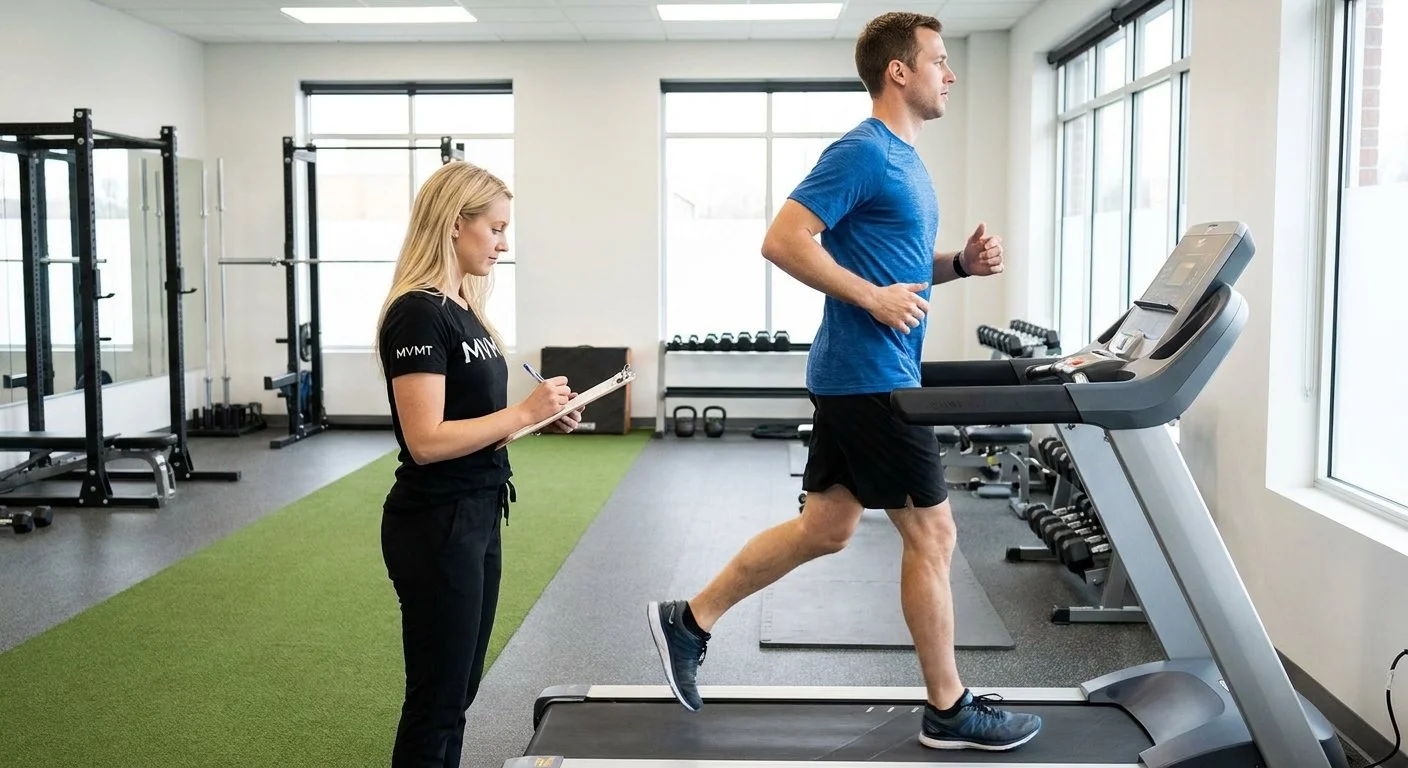
Pain often shows up in one place while the cause sits somewhere else. A weak hip, a stiff ankle, or poor trunk control can all place extra stress on your knee or low back. Movement-based testing helps uncover those links.
Functional Movement Assessment looks at how you move through everyday and sport-specific patterns
Movement Screen identifies limitations, asymmetries, and areas that may raise your risk of injury
Running Gait Analysis reviews your running mechanics, which is valuable if you are training for a race, returning to running, or dealing with repeated overuse problems
Measuring Your Fitness With VO2 Max Testing
VO2 max is a measure of the maximum amount of oxygen your body can use during intense exercise, and it is widely used as an indicator of cardiorespiratory fitness. Testing gives you a clear baseline for your endurance capacity so you can train with more purpose and track meaningful progress over time.
Which Conditions and Life Stages Can Physical Therapy Support?
Physical therapy covers a wide range of problems. The Movement Method treats common orthopedic, sports, and pelvic health conditions, and supports people at many different points in life.
Common Injuries and Pain Conditions
Spine: low back pain, sciatica, neck pain, and mid back pain
Shoulder and arm: shoulder pain, rotator cuff pain or tears, shoulder impingement, frozen shoulder, elbow pain, tennis elbow, golfer's elbow, wrist pain, and carpal tunnel
Hip and leg: hip pain, hip impingement (FAI), labral tears, knee pain, runner's knee, meniscus injuries, IT band syndrome, ACL injuries, hamstring strains, and groin pain
Foot and ankle: Achilles tendinopathy, plantar fasciitis, ankle sprains, and shin splints
Other: arthritis, tendinopathy, and overuse injuries
Many of these problems share a common thread. Your tissues were asked to do more than they were prepared for. Addressing strength, mechanics, and training load together gives you a better chance of lasting relief.
Supporting Every Stage of Your Active Life
Your needs change over time, and care should change with them. The Movement Method supports:
Prehab: getting stronger and more resilient before a season, event, or planned surgery
Post-surgery rehab: a structured path back to full activity
Return to sport and return to running: progressions that rebuild capacity step by step
Return to work: support for physical demands on the job
Prenatal and postpartum care: guidance for pregnancy and recovery after birth
Menopause support and healthy aging: strength, mobility, and function for the years ahead
Posture and desk worker support: strategies for people who sit for long stretches
Pain management: help with pain that does not fit one clear diagnosis
Why Does a Holistic and Proactive Approach Matter?
Recovery is not only physical. Confidence, motivation, and how you think about pain all influence how well you return to activity. A plan that ignores them can leave you strong on paper but hesitant in practice.
Care Built on Research
Dr. Francis integrates current research into treatment and rehabilitation decisions. Techniques and exercise progressions are chosen because the evidence supports them, then adjusted to fit you. If something is not working, the plan changes.
Training the Mind Along With the Body
Fear of re-injury is common, especially after a significant setback. This fear-avoidance pattern can slow recovery if it goes unaddressed. The Movement Method weaves psychological pillars into return-to-sport programming, including:
Reducing fear avoidance
Building motivation
Using visualization
Rebuilding confidence
This holistic view brings together functional strength, core stability, neuromuscular control, and sports psychology. The result is an athlete who is physically ready and mentally prepared.
Prevention Is Part of the Plan
The best injury is the one that never happens. A proactive approach means using screening, strength work, and load management to find weak links early. You also leave with the knowledge to keep progressing on your own.
How Does The Movement Method Support the Pompano Beach Community?
Good care extends beyond the treatment room. Education and community help people stay healthy long after their last visit, and The Movement Method offers several ways to get involved.
Classes, Clubs, and Workshops
Weekly Mobility Classes to help you move better and stay limber
Thursday Night Run Club for local runners who want community and accountability
Hip workshops that go deeper into one of the most important joints for athletes
Osteoporosis education for older adults who want to protect bone health and stay active
Free webinars on topics that matter to active people
Programs for Young Athletes
The Junior Strength and Conditioning program serves athletes ages 10 to 18. It helps young athletes build movement skills, strength, and resilience at a stage when their bodies are growing and their training demands are rising. Starting early sets a strong foundation for sport and for long-term health.
You can find more educational content on the resources page.
Why Choose The Movement Method for Physical Therapy in Pompano Beach?
Choosing a physical therapist is a personal decision. You want someone who listens, explains clearly, and helps you reach your goals instead of simply managing symptoms.
Expert Guidance From Dr. Casey Francis
Dr. Casey Francis is a credentialed Performance Physical Therapist with a doctorate in physical therapy (DPT). Her approach combines clinical skill, strength and conditioning knowledge, and an understanding of what athletes face mentally and physically. You can learn more about the team and their philosophy on the about page.
Care Built Around Your Goals
Here is what sets the experience apart:
Care that aims to improve performance, not just reduce pain
A broad range of services under one roof, from manual therapy and shockwave therapy to strength training and pelvic health
Objective testing that guides every decision
Programs for athletes of all ages, from teens to older adults
A community that keeps you engaged and supported
Take the Next Step Toward Moving Better
Pain, setbacks, and plateaus do not have to define your training. With the right assessment, a research-informed plan, and a team that understands both the physical and mental sides of recovery, you can move with confidence again and build resilience for what comes next.
If you are ready to recover, prevent injury, or perform at your best, schedule an appointment with The Movement Method today. Visit the home page to get started and take the first step toward stronger, more confident movement in Pompano Beach.