PELVIC FLOOR PHYSICAL THERAPY
Pelvic floor dysfunction affects people of all genders and activity levels. Symptoms are often brushed off as “normal,” but they don’t have to be permanent.
Pelvic floor physical therapy can help with:
Urinary leakage or urgency
Pelvic pain or pressure
Pain with intercourse or intimacy
Core weakness or instability
Low back, hip, or tailbone pain
Symptoms during lifting, running, or high-impact activity

Pre- & Post-Partum Pelvic Floor Physical Therapy
Pregnancy and childbirth place significant demands on the pelvic floor, core, and nervous system. Recovery looks different for everyone.
We support clients before and after pregnancy with care focused on both healing and confidence.
Pre-Partum Care May Help With:
Preparing the pelvic floor and core for pregnancy and delivery
Managing pelvic pain, pressure, or discomfort
Breathing and pressure management during pregnancy
Staying active and training safely throughout pregnancy
Post-Partum Care May Help With:
Urinary leakage or heaviness
Diastasis recti (abdominal separation)
Pelvic or low back pain
Return to lifting, running, and higher-impact activity
Rebuilding confidence in movement after delivery
Our goal is not just “clearance,” but a structured return to strength and movement.

Pelvic Floor Physical Therapy for Men
Men commonly experience pelvic floor dysfunction, often without realizing it.
We work with men experiencing:
Urinary leakage or urgency
Pelvic, groin, or testicular pain
Pain with sitting or cycling
Core and stability issues
Post-prostate surgery recovery
Symptoms during lifting, running, or athletic training
Male pelvic floor issues are often tied to breathing mechanics, load management, and coordination, not just weakness.
Our Approach
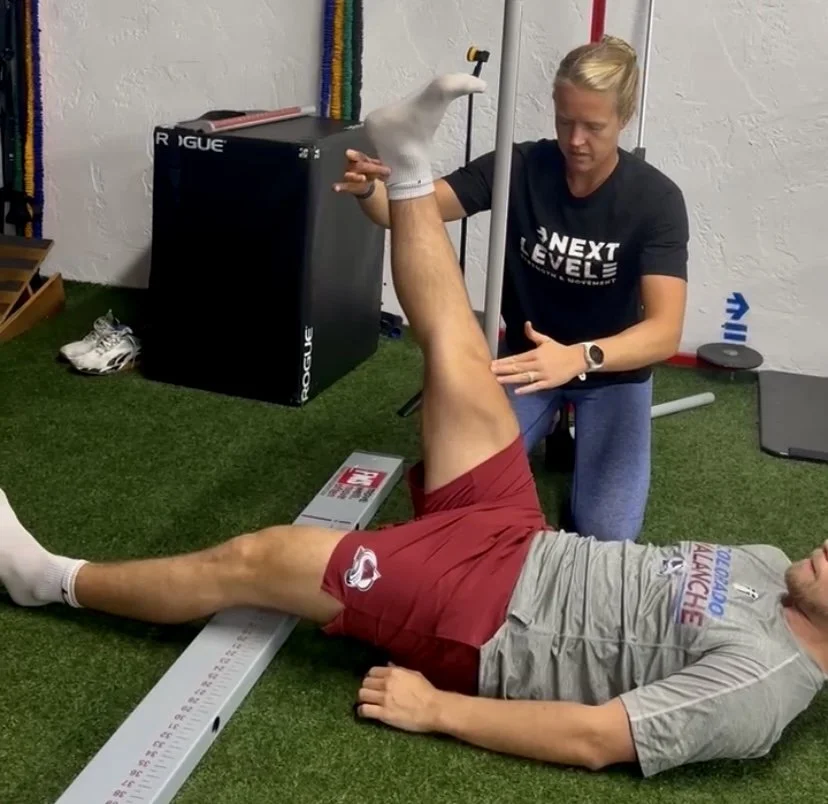
We don’t isolate the pelvic floor. We assess and treat how your breathing, core, hips, and nervous system work together.
Your care may include:
Whole-body movement assessment
Breathing and pressure management
Core, hip, and spine coordination
Manual therapy (external and internal, only with consent)
Progressive strength and return-to-activity programming
Everything is individualized. No cookie-cutter protocols.
What to Expect During Your Pelvic Floor Evaluation
Your one-on-one evaluation includes:
A detailed discussion of your symptoms, history, and goals
Movement and breathing assessment
Pelvic floor assessment (only with your consent)
A clear, personalized plan forward
FAQs
-
Your evaluation is one-on-one and focused on understanding you as a whole person, not just a set of symptoms. We start with a detailed conversation about your history, concerns, and goals. From there, we assess posture, breathing, core control, hip and spine movement, and how your body manages load. A pelvic floor assessment may be included only with your consent and only if it is clinically appropriate. You will leave your first session with a clear explanation of what is driving your symptoms and a personalized plan to address them.
-
No. Pelvic floor dysfunction affects women, men, and active individuals of all ages. While pregnancy and postpartum care are an important part of what we do, we also work with men, athletes, and active adults dealing with urinary symptoms, pelvic pain, core instability, and performance limitations. Pelvic floor physical therapy is about how your pelvic floor, core, breathing, and movement system work together, especially under real-world and training demands.
-
Yes. A major focus at MVMT MTHD is helping clients return to strength training, running, and sport with confidence. Pelvic floor therapy is not just about symptom management at rest. We progress you through breathing strategies, coordination work, and structured strength and impact loading so your body can tolerate higher demands safely. The goal is not just feeling better, but moving well under load and returning to the activities you care about.