Leaking Is Common, But It Isn’t Normal: Pelvic Floor Physical Therapy for Active Women
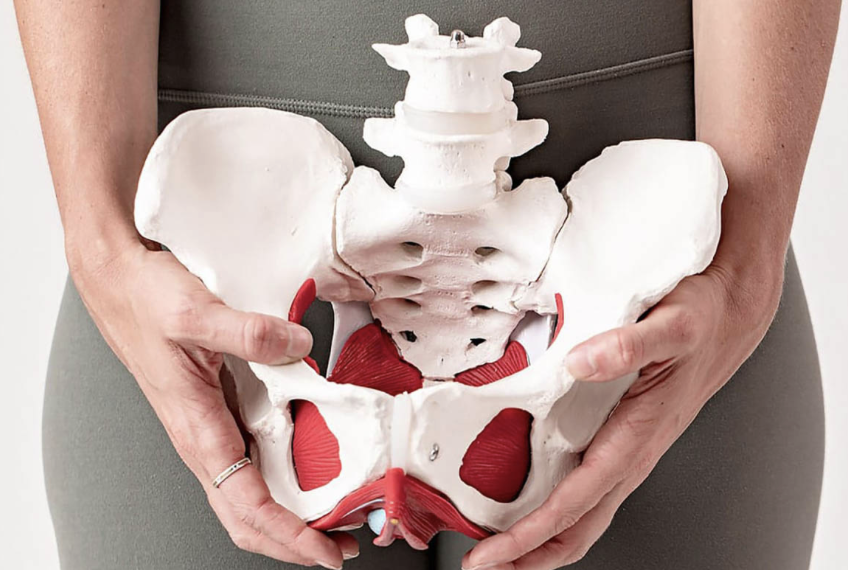
If you leak when you run, jump, lift, cough, sneeze, or laugh, you are not alone.
But you also do not have to accept it as your new normal.
At MVMT MTHD, we believe pelvic floor health is performance health.
Your pelvic floor is not separate from the rest of your body. It works with your breath, core, hips, spine, and nervous system. When it is not coordinating well, symptoms can show up during exercise, pregnancy, postpartum recovery, menopause, or daily life.
What Does the Pelvic Floor Do?
The pelvic floor is a group of muscles that helps support:
Bladder control
Bowel control
Sexual function
Pelvic organ support
Breathing mechanics
Core stability
Pressure management
A healthy pelvic floor needs to contract, relax, lengthen, and respond to load.
That means the goal is not always “more Kegels.”
Sometimes the pelvic floor is weak.
Sometimes it is overactive.
Sometimes it has poor coordination.
Sometimes the issue is not the pelvic floor alone, but how the whole system handles pressure and load.
Common Pelvic Floor Symptoms
Pelvic floor dysfunction may show up as:
Leaking with exercise
Urgency
Frequent urination
Pelvic pressure or heaviness
Pain with intercourse
Tailbone pain
Hip or low back pain
Difficulty returning to running postpartum
Symptoms during jumping, lifting, or CrossFit
Feeling disconnected from your core
Leaking Is Common, But It Is Treatable
Urinary incontinence is common in women, especially athletes, postpartum women, and women navigating menopause.
Pelvic floor muscle training has been shown to help women with urinary incontinence compared with no treatment.
But the best approach is individualized.
A runner, a CrossFit athlete, a postpartum mom, and a woman in menopause may all leak—but for different reasons.
Pregnancy and Postpartum
Pregnancy changes the abdominal wall, pelvic floor, breathing mechanics, posture, connective tissue, and pressure system.
Postpartum recovery is not just about waiting six weeks and being “cleared.”
It should include a progressive return to:
Walking
Core control
Strength training
Running
Jumping
Lifting
Sport-specific movement
ACOG states that in the absence of medical or obstetric complications, physical activity during pregnancy is safe and desirable, and women should be encouraged to continue or begin safe physical activity.
But “safe” does not mean every movement is right for every person at every stage.
That is where individualized pelvic floor physical therapy can help.
Menopause and Pelvic Floor Health
Hormonal changes during perimenopause and menopause can affect pelvic tissue, urinary symptoms, sexual health, and recovery.
Some women notice leaking for the first time in midlife, even if they have never had children.
Others notice old symptoms returning when they start lifting heavier, running more, or increasing workout intensity.
This is not a reason to stop training.
It is a reason to build a better strategy.
What Pelvic Floor PT Looks Like
Pelvic floor physical therapy may include:
Breathing assessment
Core coordination
Hip and spine mobility
Pelvic floor strength and relaxation work
Pressure management
Scar tissue work when appropriate
Return-to-running progressions
Strength training modifications
Lifting mechanics
Education around symptoms and load management
The goal is not to make you afraid of movement.
The goal is to help your body tolerate more.
When Should You Get Help?
Consider pelvic floor physical therapy if you experience:
Leaking during workouts
Pelvic pressure or heaviness
Pain with sex
Pain during pregnancy
Symptoms after birth
Difficulty returning to exercise postpartum
Urgency or frequency
Symptoms with lifting, jumping, or running
Bottom Line
Leaking may be common, but it is not something you have to live with.
Pelvic floor physical therapy helps women understand their body, rebuild strength, improve coordination, and return to movement with confidence.
You do not need to stop being active.
You need the right plan.