Does Fascia Really Matter? Separating Science from Social Media
Does Fascia Really Matter? Separating Science from Social Media
If you've spent any time on social media, you've probably heard claims like:
"Your fascia is stuck."
"You need to break up adhesions."
"Stretch your fascia to unlock mobility."
"Fascia is the cause of all chronic pain."
Some videos even suggest fascia is a mysterious tissue capable of storing emotions, trapping toxins, or becoming permanently "bound down." So what does the science actually say? The answer is somewhere in the middle.
Fascia is one of the most fascinating—and most misunderstood—tissues in the human body. It plays a critical role in movement, force transmission, proprioception, and pain. But many of the claims circulating online simply aren't supported by current evidence.
At MVMT MTHD, we believe patients deserve explanations that are both exciting and scientifically accurate. Let's explore what fascia is, what it does, and how it fits into recovery.
What Is Fascia?
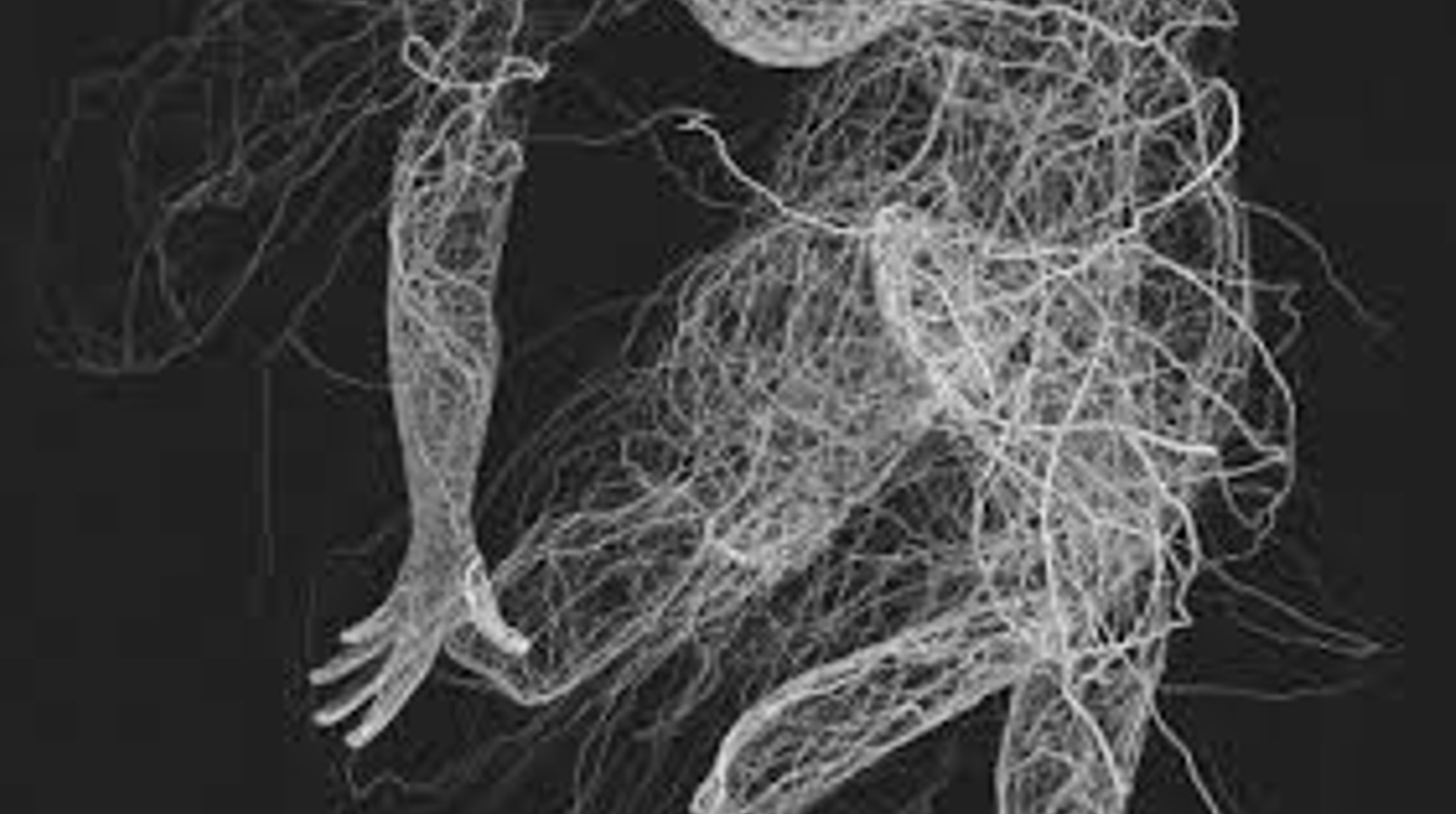
Fascia is a continuous network of connective tissue that surrounds and connects nearly every structure in your body.
It wraps around:
Muscles
Bones
Tendons
Ligaments
Nerves
Blood vessels
Organs
Rather than thinking of your body as a collection of individual muscles, imagine everything wrapped in one interconnected three-dimensional web. That's fascia. This network provides both structure and communication throughout the body.
Instead of muscles working completely independently, fascia helps distribute forces between neighboring tissues.
Fascia Is Everywhere
There isn't just one type of fascia. Researchers generally describe several categories, including:
Superficial Fascia
Located just beneath the skin.
Functions include:
Fat storage
Temperature regulation
Blood vessels
Nerves
Skin mobility
Deep Fascia
This is what most therapists refer to.
Deep fascia surrounds muscles and muscle groups.
It helps:
Separate muscles
Guide movement
Transmit force
Provide mechanical support
Visceral Fascia
Supports internal organs.
This tissue allows organs to move while remaining protected and connected.
Fascia Is Much More Than "Packing Material"
For years, anatomy textbooks described fascia as little more than wrapping paper around muscles. Today, we know that's far from true. Fascia is biologically active.
It contains:
Fibroblasts
Immune cells
Blood vessels
Hyaluronic acid
Collagen
Elastin
Sensory nerve endings
This means fascia doesn't simply hold things together—it actively participates in movement, healing, and communication.
Fascia Helps Transmit Force
One of the biggest discoveries in recent decades is that muscles don't operate in isolation. When a muscle contracts, some of that force is transmitted through surrounding fascial tissues. Think about pulling on one corner of a bedsheet.
The movement doesn't stay isolated to your hand. The tension spreads across the fabric. Similarly, fascial connections help distribute loads throughout the body.
This may help explain why restrictions or weakness in one region sometimes influence movement somewhere else. That doesn't necessarily mean a shoulder problem originates in the foot—but it does remind us that the body functions as an integrated system rather than a collection of disconnected parts.
Fascia Is Rich in Sensory Nerves
One of the most exciting areas of research involves the nervous system.
Deep fascia contains numerous sensory receptors, including those involved in:
Proprioception (body position awareness)
Pressure detection
Stretch
Movement
Pain
Some studies suggest fascia may even contain more sensory nerve endings than muscle tissue itself. This means fascia provides the brain with constant information about how your body is moving through space. At MVMT MTHD, this reinforces why movement quality—not just muscle strength—is so important during rehabilitation.
Can Fascia Cause Pain?
Yes—but probably not in the way social media suggests. Because fascia contains sensory nerves, it has the ability to become painful.
Examples include:
Overuse
Trauma
Surgery
Inflammation
Reduced movement
Repetitive loading
Research has demonstrated that irritated fascial tissue can contribute to pain and altered movement. However, fascia is rarely the only reason someone hurts. Pain is almost always multifactorial.
It reflects interactions between tissues, the nervous system, lifestyle, stress, sleep, previous injuries, and many other factors.
Does Fascia Get "Stuck"?
This is where science and marketing often diverge. Many advertisements claim fascia becomes glued together and must be manually "broken apart."
Current evidence doesn't support this idea. Collagen is incredibly strong. If therapists could physically tear or remodel healthy fascial tissue with their hands in a one-hour treatment session, we'd likely damage skin, muscle, and blood vessels long before changing fascia itself.
So why do people often feel better after manual therapy? The answer is likely neurological rather than mechanical.
Hands-on treatment can:
Reduce muscle guarding
Alter pain perception
Improve confidence in movement
Stimulate mechanoreceptors
Calm the nervous system
Those changes are real. They're just probably not because fascia was physically "unstuck."
What About Adhesions?
True adhesions absolutely exist.
They commonly develop after:
Surgery
Significant trauma
Burns
Immobilization
These are genuine structural changes that can restrict tissue mobility. However, most healthy individuals with neck pain, shoulder pain, or low back pain do not have widespread adhesions requiring tissues to be "broken up."
This distinction is important. Not every feeling of tightness represents scar tissue.
Why Foam Rolling Feels Good
Foam rolling has become incredibly popular. People often believe it "breaks apart fascia." Research suggests something different.
Foam rolling likely works by:
Changing nervous system sensitivity
Increasing stretch tolerance
Improving blood flow
Reducing protective muscle tone
Interestingly, studies consistently show improvements in flexibility without meaningful structural changes to muscle length. Your nervous system simply becomes more comfortable allowing movement. That doesn't make foam rolling ineffective. It simply changes how we understand why it works.
Fascia and Hydration
You'll often hear that fascia becomes dehydrated. There is some truth here. Fascial tissue contains a substance called hyaluronic acid, which helps tissues glide smoothly against one another.
Movement appears to improve the movement of fluids within these tissues. Prolonged inactivity, however, may contribute to increased stiffness and reduced tissue glide. This doesn't mean drinking one extra bottle of water instantly "hydrates your fascia."
Rather, regular movement appears to be one of the best ways to maintain healthy tissue quality.
Fascia Is Adaptable
Like muscles, bones, and tendons, fascia responds to loading. It remodels over time.
Progressive exercise can improve:
Tensile strength
Force transmission
Tissue organization
Functional capacity
This is one reason strength training remains one of the most powerful interventions for long-term musculoskeletal health. Your connective tissues are remarkably adaptable.
Fascia, Breathing, and Movement
One area receiving growing attention is the relationship between fascia and breathing. The diaphragm doesn't function independently.
It connects with:
The abdominal wall
Thoracolumbar fascia
Pelvic floor
Rib cage
Deep core musculature
Efficient breathing influences pressure management, trunk stability, and movement coordination.
This is one reason we frequently assess breathing mechanics at MVMT MTHD—not simply because breathing is relaxing, but because it directly influences movement quality.
Does Fascia Store Trauma or Emotions?
This topic has become increasingly popular online. Currently, there is no strong scientific evidence demonstrating that fascia literally stores emotional trauma.
However, the nervous system absolutely influences muscle tone, movement patterns, breathing, and protective responses. Stress can increase muscle guarding. Anxiety can amplify pain. Previous experiences can alter how the brain interprets movement.
These changes are driven by the nervous system—not because emotions are physically trapped inside fascial tissue. Understanding this distinction helps us appreciate both the biology and psychology of pain without drifting beyond what the evidence supports.
What Actually Improves Fascial Health?
Rather than chasing the latest fascial "hack," focus on habits that consistently support healthy connective tissue.
Move Frequently
Movement keeps tissues loaded, nourished, and adaptable.
Strength Train
Progressive resistance helps connective tissues remodel and tolerate load.
Vary Your Movement
Different directions, speeds, and positions challenge tissues in healthy ways.
Prioritize Sleep
Recovery is when tissue remodeling occurs.
Eat Enough Protein
Collagen synthesis depends on adequate nutrition.
Stay Physically Active
Regular activity supports circulation, tissue health, and nervous system resilience.
What This Means for Your Recovery
Fascia matters.
But it's one piece of a much larger picture.
At MVMT MTHD, we don't blame every problem on fascia, posture, or one "tight" muscle.
Instead, we evaluate:
Movement quality
Strength
Mobility
Breathing mechanics
Nervous system sensitivity
Training history
Lifestyle
Recovery habits
Because successful rehabilitation isn't about fixing one tissue.
It's about improving how your entire system works together.
Key Takeaways
Modern research has dramatically changed our understanding of fascia.
Remember these key principles:
Fascia is a continuous connective tissue network throughout the body.
It plays an important role in movement, force transmission, and proprioception.
Fascia contains sensory nerves and can contribute to pain.
Most manual therapy likely works through the nervous system more than by physically changing fascia.
True adhesions exist, but they're much less common than social media suggests.
Foam rolling helps—but probably not by "breaking up" fascia.
Strength training and regular movement are some of the most effective ways to maintain healthy connective tissue.
Recovery is about improving the entire movement system, not just one tissue.
Fascia deserves attention—but not because it's magical.
It deserves attention because it's another remarkable example of how beautifully connected the human body really is.
Ready to Move Better?
If you've been told your fascia is "stuck," or you've tried every mobility tool without lasting results, it may be time for a different approach.
At MVMT MTHD, we combine movement assessment, strength training, pain science, and evidence-based rehabilitation to help you understand why you hurt—and how to move with greater confidence.
Schedule your comprehensive movement assessment today and experience a more complete approach to recovery.
References
Schleip R, Findley TW, Chaitow L, Huijing PA. Fascia: The Tensional Network of the Human Body. Elsevier; 2012.
Stecco C. Functional Atlas of the Human Fascial System. Elsevier; 2015.
Stecco A, Stern R, Porzionato A, et al. Hyaluronan within fascia in the etiology of myofascial pain. Surgical and Radiologic Anatomy. 2011.
Wilke J, Schleip R, Yucesoy CA, Banzer W. Not merely a protective packing organ? A review of fascia and its force transmission capacity. Journal of Anatomy. 2018.
Schleip R, Jäger H, Klingler W. What is "fascia"? Journal of Bodywork and Movement Therapies. 2012.
Langevin HM, Huijing PA. Communicating about fascia: History, pitfalls, and recommendations. International Journal of Therapeutic Massage & Bodywork. 2009.
Yahia LH, Rhalmi S, Newman N, Isler M. Sensory innervation of human thoracolumbar fascia. Acta Orthopaedica Scandinavica. 1992.
Cheatham SW, Kolber MJ, Cain M, Lee M. The effects of self-myofascial release using a foam roll or roller massager on joint range of motion, muscle recovery, and performance: A systematic review. International Journal of Sports Physical Therapy. 2015.
Beardsley C, Škarabot J. Effects of self-myofascial release: A systematic review. Journal of Bodywork and Movement Therapies. 2015.
Findley TW. Fascia research from a clinician/scientist's perspective. International Journal of Therapeutic Massage & Bodywork. 2011.